
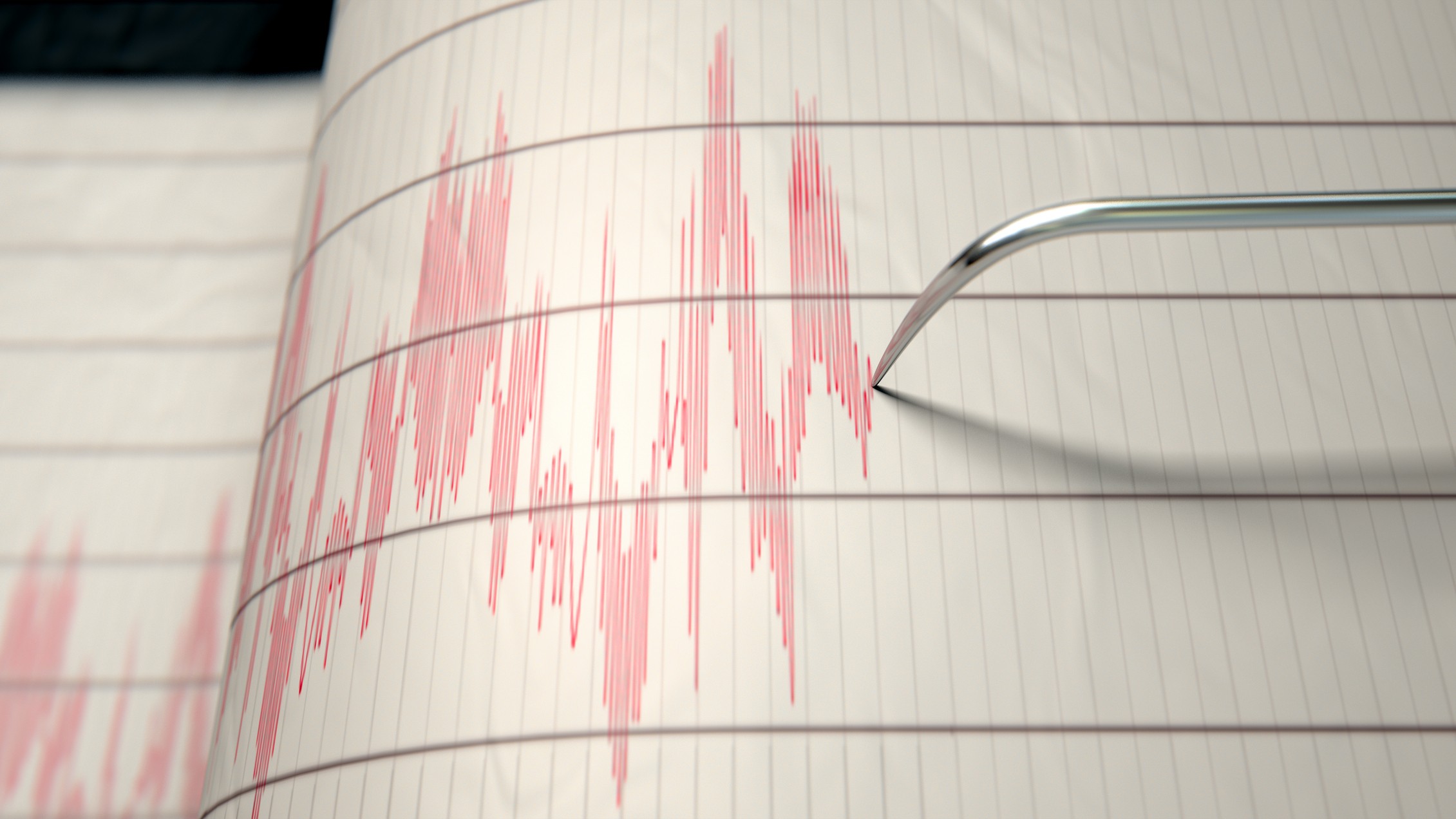
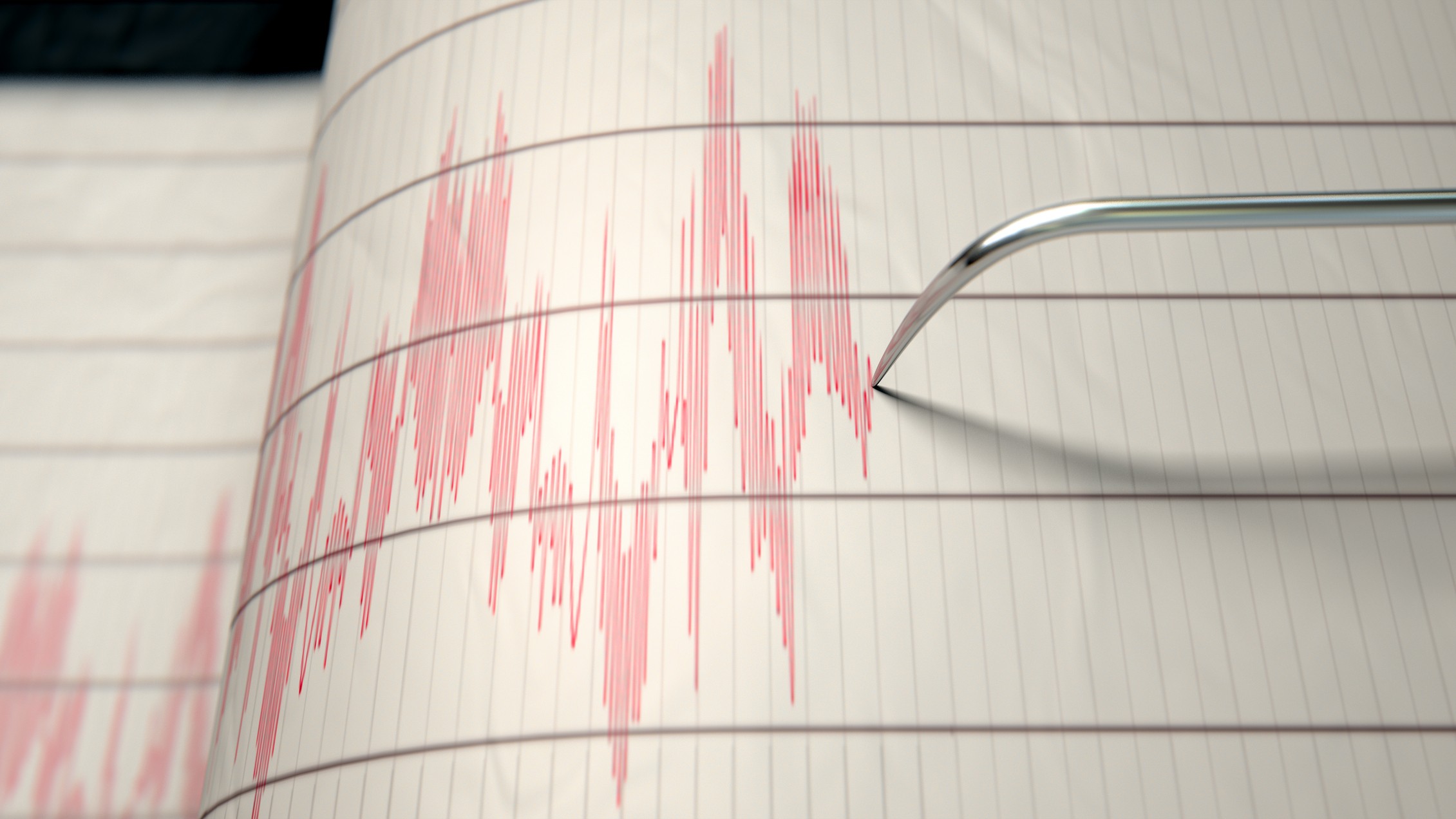
A notification about a magnitude-5.9 earthquake in western Nevada near the California border Thursday morning was a false alert, the USGS said.
The quake alert generated by the ShakeAlert early warning system and an entry on the USGS web site indicated an earthquake near Dayton, Nevada, about 10 miles northeast of Carson City, Nevada and 30 miles northeast from Lake Tahoe. The alert appeared on the USGS earthquakes map, but was deleted soon after and replaced with a message.
“The ShakeAlert EEW system released an incorrect alert for a magnitude 5.9 earthquake near Reno and Carson City, Nevada,” the USGS said. “The event did not occur, and has been deleted from USGS websites and data feeds. The USGS is working to understand the cause of the false alert.”
The same message was posted to the ShakeAlert early warning system web site.
The system detects earthquakes that have already started and estimates location, magnitude and shaking intensity. A ShakeAlert message is sent when the earthquake is large enough to meet USGS alert levels. Even a few seconds of warning before shaking can have a dramatic contribution to public safety, including time to drop, cover and hold on.
The system uses sensors spread over wide areas prone to earthquakes on the U.S. West Coast. Data collected by sensors from the seismic waves produced by earthquakes is transmitted to a ShakeAlert processing center, where location, size and shaking intensity are determined in seconds. Alerts are then sent to ShakeAlert users by technical partners.
False alerts can be triggered by several factors, the USGS said.
For example, location algorithms sometimes misidentify reflected and refracted seismic waves created by one earthquake, which can turn into events far from the quake’s location. Noise in analog telephone circuits used to bring data from seismic sensors to computers also can be misidentified by automated systems as earthquakes. Software aimed at locating local quakes can sometimes mislocate a large earthquake on the other side of Earth, deep beneath the seismic network, the USGS noted.
“Adding to this complexity, there are multiple seismic monitoring networks that contribute their earthquake locations and magnitudes to the ANSS system,” the agency said on its web site. “These networks use different data and algorithms to locate the earthquakes, and sometimes the spatial separation of the contributed locations is so large that our systems interpret the independent solutions as distinct earthquakes of similar magnitude and location. In this situation, a delete message will be sent for one of the earthquake solutions but an earthquake did occur.”
The agency also notes there’s a trade-off between the speed of a notification and number of false alarms.
“The faster we release earthquake locations and magnitudes, the more likely it is that the information may be erroneous,” the USGS said on its site. “Experience demonstrates that imposing more restrictive quality standards prevents the release of legitimate earthquake information.”
NBCLA has reached out to the USGS for more details.
Photos: What to Keep in Your Disaster Emergency Kit

Allison Craig is a passionate sports writer and analyst with a deep love for game strategies, player performances, and the latest trends in the sports world. With years of experience covering football, basketball, tennis, and more, she delivers insightful analysis and engaging content for sports enthusiasts.
No responses yet